Helena Bloom: A Romantic Handwritten Font for Elegant Designs
The Heartfelt Character of Helena Bloom
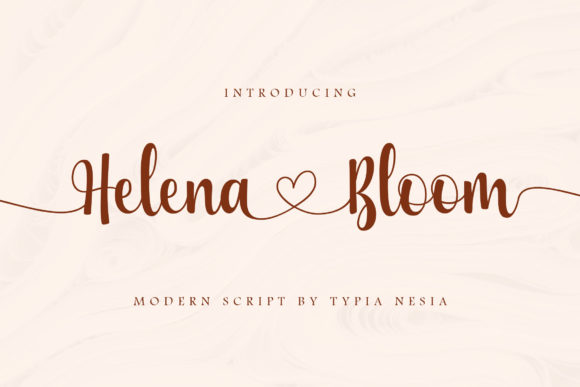
At its core, Helena Bloom is a romantic and delicate handwritten font that brings a distinctly personal and joyful touch to any project. Imagine the elegant flow of a skilled calligrapher, combined with whimsical, heart-shaped ornaments that are integrated directly into the typeface. This is not a standard script font; it’s a curated design asset that exudes warmth, daintiness, and celebration. The letterforms feature gentle, flowing strokes with just enough variation to feel authentically human, yet they maintain a consistent and polished rhythm that ensures legibility. The true magic lies in the decorative hearts, which can be used as swashes, alternates, or standalone ornaments, allowing for a level of customization that transforms simple text into a heartfelt message.
As a premium font, Helena Bloom occupies a specific niche in the world of modern typography. It’s a display font first and foremost, meaning its strength lies in headlines, logos, and short, impactful text rather than in body copy. Its personality is undeniably feminine, elegant, and celebratory, making it a powerful tool for projects that aim to evoke emotions of love, joy, and sophistication. Think of it as the typographic equivalent of a hand-tied bouquet—carefully arranged, beautiful to look at, and full of sentiment.
Where Helena Bloom Truly Shines: Practical Applications
Understanding where a font like Helena Bloom works best is key to leveraging its full potential. Its romantic style makes it a natural fit for the wedding industry. Wedding invitations, save-the-date cards, menu programs, and thank-you notes are elevated from mere stationery to keepsakes when set in this typeface. The heart ornaments provide a ready-made decorative element that can tie an entire stationery suite together with a cohesive, romantic theme.
Beyond weddings, consider its role in broader branding and packaging design. A boutique bakery specializing in custom cakes, a luxury candle maker, or a high-end florist could use Helena Bloom as part of their brand identity. It works beautifully for logo design, packaging labels, and product tags, instantly communicating a sense of artisanal quality, care, and romance. For small business owners, this font can help carve out a distinct visual niche in a crowded market, making their brand feel more approachable and special.
In the digital realm, Helena Bloom is a versatile player for social media graphics, blog headers, and email marketing campaigns. It can add a personal, human touch to announcements, sale promotions, or quote graphics, increasing audience engagement by making content feel less corporate and more relatable. When used for a blog about lifestyle, crafts, or personal stories, it sets a warm and inviting tone from the first glance. For content creators, it’s a secret weapon for creating pins, Instagram stories, and YouTube thumbnails that stand out with a signature style.
Integrating Helena Bloom into Your Design Workflow
Choosing the right creative font is a decision that impacts readability, hierarchy, and brand perception. Helena Bloom is a powerful tool, but like any specialized tool, it requires thoughtful application. Here’s how to approach it practically.
Evaluating Project Fit: Before selecting Helena Bloom, ask what emotion you want to evoke. If the project calls for seriousness, minimalism, or a corporate tone, a clean sans serif font or a traditional serif font would be more appropriate. Helena Bloom is for projects where warmth, celebration, and a personal touch are the priority. It’s the perfect choice when you want your design to feel like it was crafted with care.
Font Pairing and Readability: Because it is a decorative script font, Helena Bloom should never be used for long paragraphs. Its intricate details can cause eye strain in large blocks of text. The key to effective typography is contrast and balance. Pair it with a highly legible, simple companion font. A clean sans serif font like Montserrat or Lato makes an excellent partner, providing a modern and neutral counterpoint to Helena Bloom’s ornate personality. Use the script font for headlines or key phrases, and the sans serif for all other information to maintain a clear visual hierarchy and ensure your message is easily read.
Exploring the Font’s Features: A quality premium font often includes more than just basic letters. Take time to explore the full character map of Helena Bloom. You will likely find stylistic alternates, ligatures, and the signature heart ornaments. Using these features allows you to customize words, creating unique and eye-catching compositions. For example, you might use a heart to dot an ‘i’ or as a decorative element at the beginning or end of a line.
Licensing for Commercial Use: For entrepreneurs, marketers, and designers, understanding font licensing is non-negotiable. Helena Bloom is a commercial font, meaning it requires a license for use in projects that generate revenue, such as client work, products for sale, or business branding. Always purchase the appropriate license (desktop, web, etc.) from the foundry or authorized retailer to ensure your use is legal and professional. This protects both you and the font’s creator.
In the landscape of modern typography, fonts like Helena Bloom serve a vital purpose. They provide the tools to inject personality, emotion, and a distinct human touch into digital and print designs. By using it strategically—as a headline font, a logo element, or a decorative accent—you can create designs that don’t just communicate information but also tell a story and build a genuine connection with your audience. It’s more than just a typeface; it’s a design asset that helps brands and creators speak in a voice that is both beautiful and unmistakably their own.